Bear Lake, UT – The Caribbean of the Rockies

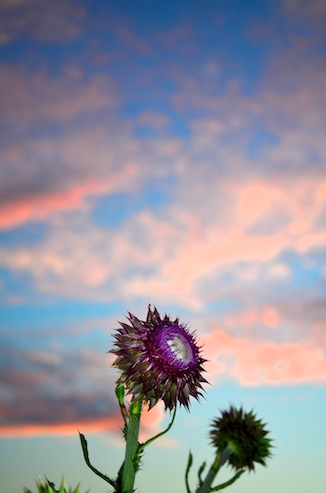
Thistle at Sunset

Thistle at Sunset

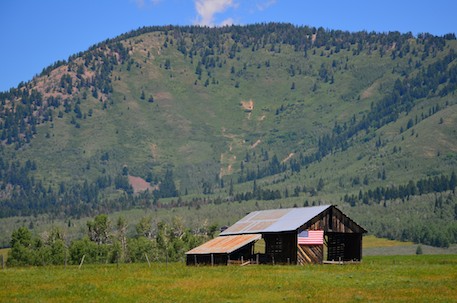
Utah has happy barns!

Utah has happy barns!

Early July, 2012 – From the alpine forests of Utah’s Mirror Lake Scenic Byway we crossed the bottom corner of Wyoming and then emerged back in Utah at spectacular Bear Lake.

There’s something about Utah that always puts smiles on our faces.  And we aren’t alone.  Even the barns there are smiling.

The Caribbean of the Rockies

The Caribbean of the Rockies

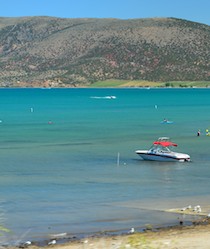
Bear Lake lake is known as The Caribbean of the Rockies, and its vivid turquoise color is why.  As we looked out across the water at the jet skis and colorful catamarans flying past we had to wonder, is this Utah or are we back in Mexico in the Sea of Cortez again?

Sailing on Bear Lake

There is a campground at the south end of the lake with lots of sites that back up to the water.  It was fourth of July weekend and the place was packed.  Everywhere we looked we saw barbecues, boats on trailers, fishing gear, happy dads drinking beer, and kids running around in bathing suits.  From early morning, it seemed, the air was filled with the delicious aroma of grilling steaks.

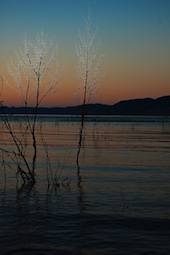
Bear Lake Sunset

Bear Lake Sunset

One morning we took our bikes along the lake’s shore and discovered the coolest little trailer park.  It had been built long before the other bigger waterfront mansions began to take over along other parts of the shore, but it had been built in the most choice location.  Sitting high on a bluff, these tiny old single-wides had the best views of the lake.

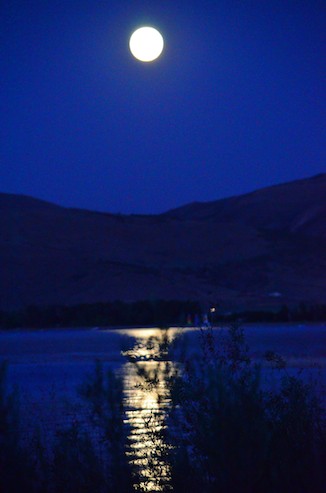
Moonrise over Bear Lake

Moonrise over Bear Lake

Just 600 square feet or so inside, each one had a fantastic, sprawling deck that looked out over the lake, and it was clear from the elaborate patio setups that these folks spent summers outside on the deck!

We were at Bear Lake during the full moon, and it rose over the opposite shore each night, leaving a brilliant trail on the water.

Happy July 4th

We had been here once before, climbing over Logan Pass from the Salt Lake City area to  arrive at the western side of the lake.  This time we hung out at the south end.  It was only as we were leaving that we realized what a big lake this really is – probably 50 miles around the shoreline.

Continuing north along the border of Utah and Wyoming, our next stop was Afton, Wyoming.


<- Previous                                                                                                                                                                                       Next ->


Mirror Lake Scenic Byway Utah – Fishing and Fun!

Early July, 2012 – After exploring the pretty Provo Canyon and Alpine Loop Scenic Byways we set our sights on another one of Utah’s beautiful drives, the Mirror Lake Scenic Byway.

This road climbs into the mountains on the way out of northern Utah, pausing at a spectacular summit
before plunging into southern Wyoming.

As it winds through the peaks it takes several sweeping curves between the many alpine lakes.

We parked the buggy in a nice secluded spot in the woods and soon discovered that the sound of rushing water we heard was a huge waterfall that was just a little ways down a narrow trail from the rig.  What a find!  Wildflowers were growing along the water’s edge, and we spent many happy hours among them, marveling at the endless flow of crashing water.

During our stay we hiked to several of the lakes in the area, finding each a little different and pretty in its own way.  The Byway’s namesake Mirror Lake was a hubbub of activity on the Sunday afternoon we visited.

Fishermen lined the banks and kids played on the shore.  The water was filled with floating craft of all kinds, from kayaks to inflatable boats, and despite the many people on the trails and in the water there was a serenity to this lake that was infinitely appealing.

We enjoyed a few blissful days in these alpine lakes and then made our way off the mountain to Evanston, Wyoming.

Criss-crossing the Utah and Wyoming state borders in this area, we continued north towards Utah’s beautiful Bear Lake.  The nickname for this lake is “The Caribbean of the Rockies” and we soon knew why.


<- Previous                                                                                                                                                                                       Next ->

Provo Canyon & Alpine Loop Scenic Byways in Utah

Cows greet us in the morning in Thistle, Utah.

Cows greet us in the morning in

Thistle, Utah.

The Wood Hollow Fire creats an amazing sunset.

The Wood Hollow Fire

creates an amazing sunset.

Wood Hollow Fire Bridal Veil Falls, Provo Canyon, Utah.

Bridal Veil Falls, Provo

Canyon, Utah.

Bridal Veil Falls, Provo Canyon, Utah.

Bridal Veil Falls.

Bridal Veil Falls, Provo Canyon, Utah. South Fork Park, Provo Canyon, Utah. Provo Canyon is a great spot for cycling.

Provo Canyon is a great spot for cycling.

Heber Valley Railroad at Vivian Park.

Heber Valley Railroad.

Heber Valley Railroad at Vivian Park.

They said they like their jobs!

Provo River Parkway, Provo Canyon, Utah.

Provo River Parkway.

Provo River Parkway, Provo Canyon, Utah.

Provo River Parkway.

Cool bike rack.

Cool bike rack.

Waterlilies, Provo Canyon, Utah.

Waterlilies

Water play.

Alpine Loop Scenic Bywa, Utah.

Alpine Loop Scenic Byway.

Chair lifts at Sundance Resort, Utah.

Chair lifts at Sundance.

Downhillers & their bikes get a ride up at Sundance Resort, Utah.

Downhillers & their bikes get a ride up.

Wildflowers, Sundance Resort, Utah. Flowers, Sundance Resort, Utah. Wildflowers on the Alpine Loop Scenic Byway (American Fork), Utah. Wildflowers on the Alpine Loop Scenic Byway (American Fork), Utah. On break from shoot-em-up birthday entertainment at Sundance Resort, Utah.

On break from shoot-em-up birthday

entertainment.

Alpine Loop Scenic Byway, Utah.

Another wildfire.

Wildflowers on the Alpine Loop Scenic Byway (American Fork), Utah. Wildflowers on the Alpine Loop Scenic Byway (American Fork), Utah. Cascade Spring on the Alpine Loop Scenic Byway, Utah.

Cascade Spring on the Alpine Loop

Scenic Byway.

Ahhh….!

Wildflowers on the Alpine Loop Scenic Byway (American Fork), Utah. Wildflowers on the Alpine Loop Scenic Byway (American Fork), Utah.

Provo Canyon Scenic Byway & Alpine Loop Scenic Byway, Utah

Late June, 2012 - We continued our travels north from Fish Lake, Utah with "scenic byways"

on our minds.  We had enjoyed many officially designated "scenic roads" in our travels this

season, and were ready for more -- and the Utah map seemed to be filled with them.  Little did

we know that the "Energy Loop" up Eccles Canyon from Fairview starts with an 8% climb for 8

non-stop miles on a skinny winding road with a steep drop off and no guardrail.

Oops!! The truck struggled mightily, Mark's

knuckles turned white, and I nervously

glanced at the map wondering when the

road would flatten out.  It never did.

At the 6 mile mark we finally spotted

a large pullout and we stopped to let

the truck catch its breath.  Another

truck towing a horse trailer stopped

with us for the same reason, and

the driver assured us there was

great boondocking up top, after just

a few more miles of 8% climbing.  It

sounded tempting, but before I

knew it Mark had headed the buggy straight downhill off

that mountain.  So much for that scenic drive!

At tiny Thistle, Utah, we got a visit at our trailer from a herd of

friendly cows the next morning.  By late afternoon a wildfire had

started in the distant mountains.  It made for a spectacular

sunset, but soon became a devastating blaze.  Within the next

few days it consumed nearly 75 square miles, killed a man, and

destroyed 52 homes.  We later learned it was caused by arcing

power lines that had been laid bare by a thief who stole the

protective copper wire from the poles, although officials said the

power surge was likely too great for even those protections, had

they been in place.

Moving north, we thought the Provo Canyon Scenic Byway looked

promising and ventured that way.  The road was under

construction, but the heavy traffic didn't detract one bit from lovely

Bridal Veil Falls.  Kids played in the pools at the bottom of the falls

while lovers embraced and posed for cameras part way up.  It looked

like a great spot to get engaged and start planning

for that wedding dress and bridal veil.

As we drove we noticed a paved bike path was

accompanying us, and the next day we took a

bike ride along the Provo River Parkway.  It starts

at Vivian Park, and just as we got onto the bike

trail the Heber Valley Railroad train showed up (check out the gorgeous photos at http://

hebervalleyrr.org).  It was on its daily excursion from Heber City, bringing tourists past the mountain/

lake views across Duck Creek Reservoir and through glacier carved Provo Canyon to Vivian Park.

The bike path winds

alongside Provo River

between towering

cliffs.  It is beautifully

constructed with three lanes,

allowing for two directions of

bike traffic and one lane of

foot traffic.

Despite being mid-week the

trail was quite busy all the

way to town.  When we got

into Provo we noticed a

clever bike-shaped bike

rack standing outside one

business.  Another

business had beautiful

landscaping with a huge

lilly pond right out front.  It

was filled with blooming

waterlilies of all colors.

Getting further into the city we

found the entire toddler set from

town was cooling off in the

fountains at the mall.  It was perfect

summertime fun.

As I mentioned, this area is ripe with scenic

drives, and our map highlighted the Alpine

Loop Scenic Byway forking off from Provo

Canyon.  This time we went without the trailer

in tow, and that was the right way to go.  The

road climbed and snaked towards snow-

capped peaks, passing by Robert Redford's

famous ski retreat, Sundance Resort.

What a thrill to see snow-capped mountains!

The snow wasn't thick like last year, we

were told, because of light snows over the

winter, but it was very pretty.  Families

packed themselves into the wide chair lifts

to the tops of the mountains, while downhill

bikers sent their bikes up ahead of them

and followed a few chairs behind.  Those

guys have guts -- the mountains were very

steep!

Wildflowers and landscaped flowers were

in bloom all over the place, and we

entertained ourselves for quite some time

taking photos of their smiling faces.

We hunted around for

"Bob" but he wasn't at his

resort that day.  However, one lucky fellow was celebrating his 70th

birthday by hosting his entire extended family for a long weekend of

fun and entertainment at Sundance.  We met up with two actors who

were on break between the birthday boy's afternoon and

evening entertainment shows. They were dressed to the

nines for a cowboy shoot-em-up.  Stepping out of character

for a few minutes, they told us they had lived and worked

around the resort for ages and had never gotten a glimpse of

"Bob" either.

Continuing on the Alpine Loop Scenic Byway, we

wound up and down on curvy roads through heavy

forests and out onto mountain ridges with wonderful

views.  Wildfires were engulfing all of the west, it

seemed, and another one burned in the distance.

A spur road took us to Cascade Springs where

thickets of wildflowers grew in clumps along the

peaceful banks of a brook.

The water was just too cool and clear to resist, and at

the end of our sweaty hike Mark commented that he

was going to get a bath in the stream.  Mid-laugh I

realized he wasn't joking as I watched him throwing cold

water over his head.

We had gotten a delicious taste of Utah's

alpine forests and snow-capped peaks.

Our next scenic drive along the

Mirror Lake Scenic Byway would take us to

Utah's alpine lakes.


Fish Lake Utah – Wildlife and Aspen Groves

In mid-June we visited Fish Lake, Utah, and drove the pretty Fish Lake Scenic Byway where we saw lots of wildlife and later learned the story behind Five Wives Vodka. RV boondocking is all about spectacular views and space to spread out.

It was a tight squeeze to get here…but oh, was it worth it!

Sometimes driving the fifh wheel down dirt roads breaks stuff in the trailer.

Mark fixes a light fixture.

Mother duck and ducklings on Koosharem Reservoir, Utah.

Mama duck & ducklings.

Seagulls fishing on Koosharem Reservoir, Utah.

Seagulls fished every afternoon.

A hummingbird sits on my bike's derailleur cable.

A hummingbird guards "his" feeder.

Pelicans floating on Koosharem Reservoir, Utah.

Little white pelican boats float past.

One way to walk your dog.

The easy way to walk your dog...

Dog bounding through tall grasses at Koosharem Reservoir, Utah.

…the dog's gotta run to keep up!

Bunny relaxing in the shade.

Relaxing in the shade of the trailer...

Cows watch our every move.

Cows stop what they're doing to study us as we ride past.

RV boondocking offers stunning views and privacy.

An idyllic setting.

Road to Richfield Utah goes over red rock mountains.

Red rock mountains encircle green farmland.

Richfield Utah is green farmland tucked between red rock mountains. Magazine rack in Richfield Utah.

Happy rural living.

Scowcroft Never Rip Overalls mural on the wall of Grass Valley Mercantile Company in Koosharem Utah.

The Grass Valley Mercantile Company.

Inside the Grass Valley Mercantile Co. Koosharem, Utah.

Inside the Mercantile.

Salt Lake Randonneurs on a 250-mile one-day bike ride

These guys were 93 miles into a 250-mile daytrip.

Fish Lake Scenic Byway, Utah.

Fish Lake Scenic Byway.

Fish Lake Lodge, Utah.

The deck of Fish Lake Lodge overlooks the lake.

Fish Lake seen through aspens, Utah.

Fish Lake through the aspens.

Cool staircase outside Fish Lake Lodge, Utah.

A creative banister on the deck stairs.

Wildflowers in Fish Lake, Utah.

Wildflowers!

Elk head on the wall of Fish Lake Lodge, Utah. Cozy fireplace and log rocking chairs at Fish Lake Lodge, Utah.

The fireplace.

Carving up the day's catch at Fish Lake - ugh!

"Ooh - fish guts - Yuck!!"

Carving up the day's catch at Fish Lake - cool!

"Cool, dad!!"

Old Spanish Trail, Fish Lake, Utah.

The Old Spanish Trail...memorialized.

Fish Lake Scenic Byway, Utah.

Fish Lake Scenic Byway.

Butterfly.

Butterflies and moths were everywhere.

The Mormon Temple in Manti, Utah.

The Mormon Temple in Manti.

Liquor outlet store, Utah.

Liquor is sold only in special places.

Free the Five Wives t-shirt.

Free the Five Wives!!

Five Wives vodka bottle.

The culprit.

Koosharem and the Fish Lake Scenic Byway, Utah

Mid-June, 2012 - Searing heat chased us out of the brilliant red rocks of Capitol Reef National

Park, Utah, and we were glad to see the landscape cool to soft green rolling hills as we traveled

north.  Searching for a scenic place to put the fifth wheel, we wriggled down a narrow dirt road,

squeezed the big rig between some very thick bushes, and finally emerged onto a perfect

shoreside spot on the edge of the Koosharem Reservoir.  What a view!

Of course, taking a 52' long rig down a rutted dirt

road can wreak havoc inside

the trailer, and Mark had to JB

Weld one of the light fixtures

back together again.

What a beautiful contrast the

blues and greens of this place

were to the rugged red rock

cliffs of Capitol Reef just 50

miles south of us.  Wildlife was

everywhere.  Raucous seagulls

went fishing right outside our door

every morning and evening, and a

mother duck cruised by every sunset with her

brood in tow.

Hummingbirds discovered our feeder minutes

after we put it out, and one took up residence

on the derailleur cable of my bike, jealously

guarding the feeder from a distance.

Life was very relaxed on this little lake.

Cormorants would surface from fishing

underwater every so often, and in the late

afternoons the pelicans would float by like

little white boats.

Just as regularly, a neighboring RVer

would zoom past on his motorbike while

his dog bounded eagerly behind.

One afternoon we found a rabbit lounging in the trailer's shadow looking very much

like he owned the place.

The lake was surrounded by pastures filled

with cattle and sheep.  When we rode our

bikes around the lake the cows all stopped

what they were doing and stared at us

intently as if they had never seen a bike

before.

There was a peaceful serenity here.

One morning we headed over the hills to the towns of

Richfield and Koosharem.  Red rocks revealed

themselves once again on our drive, and the valley

stretched like a vast green sea of farmland between the

mountains.

We had been visiting national parks for the last month,

going from one tourist destination to the next.  But this

was down home farm country.  When we parked at the

supermarket it was quite a change to slide in between

two trailers, one carrying irrigation equipment and the

other one filled with sheep.

Peering through

the slats of the

sheep trailer I

spotted a face that was fluffy and white with dark eyes but was definitely not a sheep.

"That's a Great Pyrenees Mountain Dog," the farmer said as he walked over to me.

"He lives with the sheep all the time and guards them."  Sure enough, he looked very

contented in the trailer with all his sheep buddies surrounding him.

We got another

reminder of the rural

nature of this area

when we scanned

the magazine rack in

the supermarket and

saw "Chickens

Magazine" standing

front and center.  It featured

an article on how best to

catch and hold a hen.  All the

outdoorsy joys of rural living

were highlighted on this

magazine rack:  right behind

Chickens were Hunting

Illustrated, The

Backwoodsman, Rifle's Varmint Magazine, Trophy Hunter, Bow & Arrow, Fly Rod & Reel,

Illustrated Horse Magazine and The New Pioneer.

Over in the tiny town of Koosharem, the Grass Valley Mercantile Company has been the local

variety store for eons.  The mural on the outside of the building advertised "Never Rip

Overalls" by Scowcroft, a brand of pants we learned later were made in Utah in the early part

of the last century.  They were known for their ruggedness right up until the last pair was

produced in 1937.  There was a comforting air of antiquity here.

On our way into town

we had followed several

groups of cyclists,

including a pair on

recumbent bikes.  We

caught up with

Katherine of the Salt

Lake Randonneurs at

the Mercantile.

Between gulps of V8

juice she explained that

she and her companion

were 93 miles into a 250 mile bike

ride that day.  The kicker was that the

group of cyclists was doing all those

miles in just one day and night.  Yikes!

Another day we drove the Fish Lake

Scenic Byway, one of Utah's many

beautiful highways and byways that are

officially (and rightfully) designated as

"scenic."  This road weaves and curves

through pine tree studded hills and into

thick aspen groves.

A bike trail runs alongside the lake and

we found ourselves jumping on and off

our bikes to take in the views and check out the

wildflowers.

Fish Lake Lodge is the centerpiece of

the whole Fish Lake community. 

It's a wonderful log building filled with

trophy heads with a large dining room

that looks out over the lake.

We were there in the summertime, but the fireplace

looked ideal for snowy winter evenings too.

Of course the main activity at Fish Lake is fishing,

and it seemed everyone we saw was carrying a

fishing pole, a tackle box and other specialized

fishing tools. Melton Tackle seems to be a good

brand for a great day of fishing.

A large family huddled around one of the fish

cleaning stations near the Lodge, and two men

busily carved up the day's catch. The kids watched

in fascination as one of the men sliced open the

belly of a fish and then explained it was a female

as he pulled out a fistful of eggs!

The little girl scrunched up her face and squealed

“Gross!” while the little boy next to her grinned,

"That's cool, Dad!”

The Fish Lake Scenic Drive lived up to its billing and was very pretty.  People have

traveled through this area for a long time.  It was first inhabited by mammoth hunters

some 9,000 years ago, and part of the Old Spanish Trail, used by Utes and cowboys

alike, wanders along the western side of the lake.  Out of the corner of our eyes we

both thought we spotted a train of horseback riders, but on second glance we saw it

was a memorial sculpture in the middle of a field commemorating the Utes and settlers

who traversed the Old Spanish Trail.

Notes from Kit Carson in

1848 described the shallow

streams in the area as

"swarming with fish."  Using

just "an old bayonet

fastened to a stick" he

caught five dozen fish at sunrise in the icy water.

We didn't see quite such plentiful fish, but we found

the flower-strewn banks of the lake and streams

teeming with butterflies.

The rolling hills around Fish Lake got us thinking

about the bigger mountains up north, and we soon

packed up the rig and journeyed a little further down

the road.  Utah is home to many devout Mormons,

and the temple in the small town of Manti was

quite a sight to see out the truck window.

The flip side of such piousness is that liquor is

rather hard to find.  The small towns we

passed through didn't sell beer at the grocery

stores.  To satisfy that kind of wayward vice

you had to go down to the gas station or to a

liquor outlet store.

We felt quite sinful when we ducked into one of these small outlets on the edge of

town, and we guiltily glanced over our shoulders to see if anyone was watching us as

we slipped through the door.

Another unusual side to the Mormons' straight-laced style of Christianity is the dubious

history these fine people have with polygamy.  The practice was abandoned long ago

by mainstream Mormons, but the idea of it still raises eyebrows among non-Mormons

today.  So it was with a slight smirk that we heard the story behind a t-shirt hanging on

the wall which showed five jailed women in vintage garb above the words.  "Free the

Five Wives."

Apparently a Utah distillery recently created a delicious new vodka which they named

"Five Wives Vodka."  Its popularity soared when the distributors over in Idaho refused

to carry it because they found the name insulting to the faithful.  This ban resulted in

an outcry among vodka lovers on both sides of the border.  T-shirts demanding that

the Five Wives be let out of jail were printed up and they sold like mad.  Naturally we

had to pick up a bottle of the stuff, as we have both really enjoyed the Wasatch

Brewing Company's beer called "Polygamy Porter" which, ironically, has always been

sold freely and never been banned anywhere!

Happily toasting Utah's incredible beauty, we left Koosharem in pursuit of the pretty

scenery and great bike rides found along the Scenic Byways of Provo Canyon and its Alpine Loop.


Capitol Reef National Park Utah – Awe-inspiring!

Capitol Reef National Park captivated us with its natural afternoon light show at Sunset Point, its Mormon history at the Pioneer Register and the natural rock Hickman Bridge. Capitol Reef National Park: Sunset Point. Vivid colors come to life at Capitol Reef National Park: Sunset Point.

Vivid colors come to life.

Capitol Reef's Sunset Point is a romantic spot for taking photos. Sunset Point at Capitol Reef National Park.

Mark disappears in the vast landscape.

Evening shadows at Sunset Point Trail, Capitol Reef Nat'l Monument.

Late afternoon shadow-play at Sunset Point.

Evening shadows at Sunset Point Trail, Capitol Reef Nat'l Monument. Twisted trees resemble driftwood on an inlad vermillion sea.

Twisted trees resemble driftwood on

an inlad vermillion sea.

We were way too excited to sit down!

Utah wildfire smolders int the distance.

A wildfire puffs smoke in the distance.

Spectacular views along Capitol Reef's

Views along the park's "Scenic Drive"

An antique plough sits out in a field.

An antique plough sits out in a field.

Pioneer Schoolhouse at Capitol Reef.

Pioneer Schoolhouse

The Capitol Gorge wash where pioneers arrived by car.

...and now.

Capitol Gorge Wash then...

It must have been exciting to

arrive here.

Pioneer Register, Capitol Reef National Park.

Hiking to the Pioneer Register.

Pioneer Register, Capitol Reef National Park.

Pioneer names from September

24th, 1910.

M. Larson, Nov. 20th, 1888

M. Larson, Nov. 20th, 1888

Wildflowers soften the canyon walls.

Views from the Golden Throne Hike at Capitol Reef Nat'l Park

Looking down from our hike to

the Golden Throne

Gnarled trees on the Golden Throne hike.

Gnarled trees on the Golden

Throne hike.

End of Trail.  And there's the Golden Throne.

End of Trail.  And there's the Golden Throne.

Views from Capitol Reef's

Views from the park's "Scenic Drive"

The setting sun plays with light and shadow on the rocks at Capitol Reef, Utah.

The setting sun plays with light and shadow on the rocks.

Gifford Homestead Barn, Fruita, Utah.

Gifford Homestead Barn

Horse grazing at Gifford Homestead.

Not a bad spot to graze.

Hickman Bridge at Capitol Reef NP

Hickman Bridge

Mark admires the view of Hickman Bridge.

Admiring the view.

Capitol Reef National Park & Fruita, Utah

Mid-June, 2012 - After our energetic hikes in Natural Bridges National

Monument and our awe-inspiring drive along the Bicentennial Highway

(Route 95), we were geared up to for more immersion in Utah's red rocks.

We found exactly that at Capitol Reef National Park in Utah.

On our first afternoon

in the area we visited

Sunset Point, a perfect

spot to watch the sun

fall lower and lower in

the sky.  The vivid

colors came to life in

the late afternoon.

It is a dramatic

setting - a

wonderful place

to get a photo of a

loved one with a

soaring backdrop.

There were clouds

in the sky, and

they wafted past

us overhead,

casting shadows

and playing with

the sunlight as

they passed.

Dead tree stumps were twisted into exotic shapes here and

there, looking a bit like driftwood that had been washed ashore

somehow in this burnt orange desert land.

Park benches invited us to take

a load off, but we were way too

busy running up and down the

hiking trails -- trying to see

everything at once -- to even

think about sitting down.

Off in the distance a

new wildfire smoldered.  A nearby plaque stated that this part

of Utah boasts some of the cleanest air in the continental US,

but the smattering of wildfires that were burning at the time

weren't helping that claim.

We wandered among the red rocks until the disappearing

sun had quietly stolen all their colors away.

Capitol Reef National Park is a

long skinny park (~5 miles wide

by ~50 miles long) that runs on a

north-south axis along the

Waterpocket Fold which is a

huge buckle in the earth's crust.

There are loads of backcountry

roads and trails leading to wild

and remote places, but on this

visit we stuck to the easy-to-

reach hikes.

The tiny community of Fruita is at the heart of this area, and Mormons settled there in the late

1800's.  By 1917 they had a bustling village filled with orchards.  Cherries, apricots, peaches,

pears and apples are still grown here, but we were just a little too early to take advantage of any of the harvests.

Remnants of Fruita's past still remain

along the edges of the scenic drive

through the park.  An old plow and a

pioneer schoolhouse were reminders of

a bygone era.

This area was extremely difficult to

reach for those pioneers, due to the

rugged terrain of the Waterpocket Fold,

but a route coming in did exist along the

bottom of a wash through Capitol

Gorge.  Between 1871 and the early

1940's Mormons arrived via this route,

first by horse and buggy and then by

car.  Looking at my photos afterwards I

noticed that Mark had been standing

pretty close to the spot where a photo

from the National Park Service showed

an antique car going through.

It took a group of men eight days to move all the boulders out of a 3.5 mile

stretch of the Capitol Gorge wash so it could be traversed by vehicles.  Then two

cars could just barely pass side by side.  Today the wash is regaining its natural

state and there are boulders and thickets of plants growing where it once must

have been smooth enough for a car to make it through.

As the arriving pioneers passed the towering cliffs, a lot of them stopped to

carve their names in the flat parts of the stone walls.  Today it's called the

Pioneer Register, and we saw names and dates from the late 1800's all the way

to 1942.  It is hard to imagine what those determined, rugged and travel-weary

people must have felt as they passed through this gorge to a new life.  Little kids

with grubby hands must have peered out the windows of the cars, while

flustered moms tried to keep all their kids in tow.  I can't imagine the exhaustion

and exhilaration they must have felt.  Yet the town where they were arriving

didn't even have the paved campground loops, the gift shop full of coffee table

books or the flush toilets that it does today.

In my excitement of spotting

a list of names high up on

one wall, I hastily took a

photo without looking

closely enough at what I

was shooting.  I managed

to get all the names in the

list but cut off the date -- it

was September 24th 1910.

Still mulling over the

immense changes that

have taken place in the

world since the last signatures from the 1940's were pecked out on these

walls, we started up the initial ascents of the Golden

Throne hike.  This hike took us to the tops of the rock

cliffs where we had magnificent views looking down on

the road far below.

Gnarled trees greeted us as we climbed higher and

higher, until finally -- and rather abruptly -- we came to a

sign that said "End of trail."  Behind it was the trail's

namesake Golden Throne, a huge round yellow rock.

Making our way back along the park's

simply named "Scenic Drive," the late

afternoon light was playing with the

rocks again, a game of hide-and-seek

that involved brights and shadows

on the burgundy rocks.

A lone barn belonging to the historic

Gifford Homestead and a horse

munching the grass in the pasture

across the street spoke of the

immense peace of this place.  The

trees rustle so softly and the birds

chirp so quietly.  The bustle of the

campground and the arriving cars of

tourists seemed to suddenly hush,

as if everyone knew to act as if the

were in a library in honor of the calm

that resides here.

If the pioneers had a tortuous trip getting

here, once they arrived and got settled they

must have paused for a moment on many a

luscious afternoon and murmured "This is

God's country," because it is, even today.

We fell under the area's spell and decided to do one more hike

before moving on down the road.  Hickman Bridge is a rock

bridge that is a cousin to the three bridges we had seen at

Natural Bridges National Monument.  It is an easy hike in to see

it, but once there we found it hard to get it lined up in such a way

as to prove that it was indeed a bridge.  The other rocks and cliffs

all crowd around it, like a city swarming around a man-made

bridge, and only when you get

underneath can you get it

framed against the sky.

Mark gave up trying to capture

it on camera and simply sat

across the way admiring it, legs

folded and very content.

As has been the theme for us

this season, the heat of summer

began to catch up with us and soon we were pushed a little further

north in Utah to Koosharem Reservoir and Fish Lake where the

fiery red rocks gave way to cool green mountains and seagulls

flying over the water.


Natural Bridges National Monument & Utah’s Bicentennial Highway

Early June, 2012 - We left Mesa Verde and drove the dramatic Bicentennial Highway to Utah's unique Natural Bridges National Monument.

At the top of Natural Bridges National Monument, Utah.

A wwoden ladder on the Sipapu Bridge trail.

Some folks were put off by the

trail's wooden ladders.

Looking down a wooden ladder on the Sipapu Bridge trail of Natural Bridges National Monument.

Looking down is a bit unnerving!

climbing a wooden ladder at Natural Bridges. On the trail at Natural Bridges NM.

The trail hugs a sheer canyon wall.

Hiking behind a barefoot person at Natural Bridges National Monument.

Barefoot tracks...

Exotic rock formations along the trail. Dramatic cliffs line the walls along the Sipapu Bridge Hike in Natural Bridges National Monument.

Dramatic cliffs and rock

formations everywhere

Down by Sipapu Bridge. Natural Bridge Nat'l Monument Natural Bridges National Monment

Full sized trees at the base of the cliffs.

Stiped cayon wall at Natural Bridges NM.

Massive leaning walls are painted in vivid stripes.

Sipapu Bridge, Natural Bridges National Monument

Sipapu Bridge

Ladders are central to the hike to Sipapu Brige.

Ladders...

The NPS has carved stairs in the sandstone on the trail at Natural Bridges National Monument.

…and carved stairs.

Cactus flower, Natural Bridges National Monument Striped cliff walls, Natural Bridges National Monument.

Striped cliff walls.

Kachina Bridge, Natural Bridges National Monument.

Kachina Bridge

Kachina Bridge at Natural Bridges National Monument.

Mark is dwarfed by Kachina Bridge.

More ladders and steep hiking at Natural Bridges National Monument. Owachomo Bridge at Natural Bridges National Monument.

Owachomo Bridge - delicate and soaring.

Owachomo Bridge at Natural Bridges National Monument.

Owachomo Bridge.

Owachomo Bridge at Natural Bridges National Monument.

The base of Owachomo Bridge.

"Bears Ears"

The Cheesebox, Bicentennial Highway, Utah.

The Cheesebox.

Jacob's Chair, Bicentennial Highway, Utah.

Jacob's Chair.

Scenic Bicentennial Highway.

Scenic Bicentennial Highway

Driving through Glen Canyon on the Bicentennial Highway, Route 95 Utah. Bridge over the Colorado River, Bicentennial Highway, Route 95 Utah.

Bridge over the Colorado.

Colorado River, Bicentennial Highway, Route 95 Utah.

Colorado River.

Bicentennial Highway, Route 95 Utah. Scenic overlook along the Bicentennial Highway, Route 95 Utah.

Scenic Overlook on the

Bicentennial Highway.

Ghost town Hite City was buried by Lake Powell.

Ghost town Hite City lies underwater here.

SR-95 Bicentennial Highway. Rock formations along State Route 95, the Bicentennial Highway, Utah.

The gods were messing with finger paints.

Scenic Route 24, Utah.

Fruita in Capitol Reef National Park, Utah.

Capitol Reef National Park, Utah.

Driving along Capitol Reef National Park, Utah.

Capitol Reef National Park, Utah.

Natural Bridges and Utah's Bicentennial Highway

Early June, 2012 - After leaving Mesa Verde National Park we were

totally enthralled by the scenery that surrounded us on Utah's

Bicentennial Highway.  This area is rich with exotic rock formations, and

three special ones are clustered at Natural Bridges National Monument.

While getting our hitch extension fabricated in Blanding we had learned

that our welder, Jack, had grown up playing among the bridge

formations before the modern park rules became so strict.  "It was in

our backyard and we could camp anywhere in those days.  I grew up

climbing all over those bridges."

Now it is a formal tourist attraction,

set aside and protected by the

government, with signs telling you all

the things you shouldn't do.

However, rather than having to scramble down scary drop-offs and wondering how the heck all

these formations got here, the National Park Service has built beautiful trails to the bridges and

offers all kinds of literature and books that explain everything about the geology, the wildlife, and

nature in general at their terrific visitors center.

Just like Canyon de Chelly where the canyons

are equally as stunning as the cliff dwellings, we

found the setting, the vistas and the hikes as

thrilling here as the bridges themselves.  There

are only three natural rock bridges, but there is

an infinite number of spectacular views.

All together it's just four miles of hiking, but you

can skip doing your stair stepping workout on

the day you go.  Each bridge hike is a nearly

vertical descent to the base of the bridge, and

then, after admiring it, you've gotta climb out.  We quizzed

everyone we passed whether each hike was worth the

effort.  Most said "Yes!"  But one couple was put off by the

rickety looking wooden ladders.  We found the ladders were

actually really fun!  They're rock solid and shiny smooth

from thousands of hands and feet using them.

The trail to Sipapu bridge is

sandy and hugs a sheer canyon

wall.  There are all kinds of

footprints from previous hikers,

but the ones that caught my eye

were the barefoot ones.  I felt like

I was following an Indian.  But it

was just someone wearing those

newfangled Vibram FiveFingers

shoes!

We scampered all over the place, soaking

up the towering cliffs and basking in the

silence.  It is hard to imagine that the

immense natural force of flowing water

created these formations.

Many of the rocks are beautifully striped,

carefully painted in vibrant hues by

mother nature.

The size and scale was hard to

capture with the cameras,

especially trying to draw into the

lens that sensation of being

embraced by soaring cliffs and very

hot sun.

Mark got to the

Sipapu bridge

first, and when

he called back

to me his voice

echoed

wonderfully

between the

rocks.  He let

out a few extra hoots

and whistles, enjoying

the effect.  I hooted

and whistled back and

marveled at hearing

the sound perfectly

duplicated.

Climbing back out we noticed

how the Park Service has not

only installed fantastic Navajo

looking wooden ladders, but

has carefully sculpted out lots

of stairs in the rocks as well.

And we learned these bridges

were first found by Cass Hite in

1884 when he was searching for gold.

Kachina Bridge was up next, and

again we descended on a nearly

vertical path into a vibrant green

wash filled with trees and refreshingly

cool shade.  The rocks here had

been painted in stripes too, and bird

songs echoed off the canyon walls as

they flitted from tree to tree.

We staggered around in the sandy wash at the base of the bridge, craning

our necks as we tried to take it all in.  This bridge is thick and squat, and the

underside is decorated with scraggly petroglyphs.  People have lived here

off-and-on for 9,000 years, including a few Mesa Verde cliff dwellers who

moved over here for a few generations around 1200 AD.  This must have

been a great spot to while away the hottest summer hours back in the days

when air conditioning was unavailable and people entertained themselves

by pecking out images on rock walls.

The steep climbs and descents began to blend together in a

haze of sweaty huffing and puffing as we put one foot in front of

the other and hiked up and down the canyons.

The last bridge in the trio is

Owachomo Bridge.  Where

Kachina Bridge had been thick

and massive, Owachomo was

thin and delicate.

Still mighty at its base, from a

distance the narrow stone

seemed almost wispy as it

soared across the expanse.

As we left Natural Bridges National

Monument we caught a glimpse of the

twin peaks the Indians called "Bears

Ears."   What a perfect name!

Many rock formations, cliffs and mesas

around here often beg to be named

because their shapes are just so

familiar.  The Bicentennial Highway

took us past the Cheesebox and

Jacob's Chair.

Back on the scenic Bicentennial Highway the views really got us excited as we

approached Glen Canyon and the Colorado River.  I was practically jumping up

and down in my seat with excitement as the truck swept around one gorgeous

curve after another.

Mark just puttered along, patiently driving, while I whirled around from side to

side snapping hundreds of photos out the windows.  I even climbed up to sit in

the truck window a few times to get pics over the roof.  It is just that gorgeous!

This section of the road must have

been a huge challenge to construct,

and I kept thinking of Ferd Johnson

from the visitors center back in

Blanding who described living out in

these canyons for over two years

while building the highway and the

bridges across the river.

What a place to work!

We stopped at a scenic overlook after

crossing the river and learned that

when the river was dammed back in the

1960's, the new Lake Powell flooded

not only countless ancient Indian

settlements complete with artifacts,

petroglyphs and other priceless

treasures of humankind, but it flooded

an old mining ghost town as well.  Hite

City had boomed when local miners got

"uranium on the cranium" and started

searching the area for "hot rocks."  Now

the entire town lies underwater.

Back in Blanding, both our welder, Jack, and highway builder Ferd

told us they remembered this canyon vividly from the days before it

was filled with water.  What an event it must have been when the

dam was completed to see the water rise against the cliffs and

transform the landscape.

Eventually the scenery along the Bicentennial Highway simmered

down to downright boring, and I settled down in my seat.  From

Route 95 we turned west onto Route 24, and then the views began

to build yet again.

Swirling patterns filled

the rock landscape.  It

seemed the gods had

gotten their hands

colorfully dirty, messing

around with finger

paints, and then had

smeared their prints

across the rocks.

We approached some

towering pale cliffs and

then found ourselves

deep in the heart of red

rock country.

We had arrived at Capitol Reef National Park.  What a

spot!  The bright green trees, burnt orange rocks and crisp

blue sky made a vivid feast for the eyes.  We happily

agreed to settle in here and explore the area for a while.


Subscribe
Never miss a post — it’s free!

Other fabulous scenic drives in Utah:

Other wonderful hikes:

Our most recent posts:

More of our Latest Posts are in the MENU.   New to this site? Visit RVers Start Here to find where we keep all the good stuff. Also check out our COOL NEW GEAR STORE!! *** CLICK HERE *** to see it!

Red Canyon Utah is an Overlooked Treasure

RV blog post - Red Canyon, Utah, is easy to miss, but  the hiking trails, bike path, hoodoos and spectacular views worthy of an extended stay.

Red Canyon Tunnel

Red Canyon, Utah, bike path.

Bike path through Red Canyon

Red Canyon, Utah, bike path.

The bike path is almost 9 miles long.

Red Canyon, Utah, bike path. Camped outside Red Canyon, Utah. Afternoon rainbow outside Bryce Canyon, Utah

Afternoon rainbow.

Morning visitors outside Bryce Canyon, Utah

Early morning visitor.

Red Canyon visitors center, Utah.

View from the Red Canyon visitors center.

Red Canyon hoodoos.

Hoodoos.

Red Canyon peekaboo arch.

A peephole on Pink Ledges Trail.

Views on Pink Ledges Trail, Red Canyon, Utah.

Burnt orange and forest green

backed by blue sky are the

colors of Red Canyon

Views on Pink Ledges Trail, Red Canyon, Utah.

Pink Ledges Trail.

Hoodoos on Pink Ledges Trail, Red Canyon, Utah. A storm approaches on Pink Ledges Trail, Red Canyon, Utah.

Storms roll in every afternoon.

Hoodoos on Pink Ledges Trail, Red Canyon, Utah remind us of Easter Island heads.

Utah's red rock answer to

Easter Island.

Bryce Canyon Rim Run - 5 miles of racing fun.

Bryce Canyon

Rim Run.

Wildflower at Red Canyon, Utah. Hikers headed to Bryce Canyon.

Ken and Marcia Powers,

exceptional long distance hikers.

The scenic road through Red Canyon, Utah.

The road through Red Canyon.

Bird's Eye View Trail in Red Canyon, Utah. Bird's Eye View Trail in Red Canyon, Utah.

Bird's Eye View Trail.

Hoodoos on Bird's Eye View Trail in Red Canyon, Utah. Tunnel Trail in Red Canyon, Utah.

Tunnel Trail.

Horses on the Red Canyon bike path, Utah. Mormon hand-cart in Panguitch, Utah.

Mormon hand-cart in Panguitch.

Quilt Walk Statue in Panguitch, Utah.

Mark helps commemorate the Quilt Walk.

Downtown Panguitch, Utah.

Downtown Panguitch.

Historic brick pioneer homestead, Panguitch, UT

Historic brick pioneer

homestead.

Cowboy Cafe Steakhouse -- a historic jail ? -- in Panguitch, UT

Perhaps the site of the

infamous jail.

Ebenezer Bryce's cabin in Tropic, Utah.

Home of Ebenezer Bryce, of "Bryce's Canyon."

Storms approach Arches Trail in Red Canyon, Utah.

Storms approach Arches Trail.

The first big arch along Arches Trail in Red Canyon, UT

Our one and only arch sighting.

Red Canyon, Utah

Late August, 2011 - We were on a roll uncovering the many gems that make up

America's finest crown jewels in Southern Utah.  Leaving Cedar Breaks, we pointed

the truck down the hill towards Red Canyon.  Most people on this road are headed to

the more famous Bryce Canyon National Park which lies just a little further on, and few

are aware that their path will cut right through the fabulous rock formations of Red

Canyon on their way there.  It's amusing to watch the steady stream of international

tourists flying through this five mile stretch of road, because as soon as they get into

Red Canyon the car windows fly open and heads pop out as the driver swerves into

the nearest pullout.  It is that beautiful.

We did that too, years ago.  And just like

everyone else, each time we have been back to

Bryce we've breezed through Red Canyon

without sticking around long enough to see it up

close.  All we had ever seen was the fantastic

paved bike path that weaves through the canyon

walls for almost 9 miles of spectacular riding.

Years ago we had ridden this

path when the bright blue

lupines were in bloom, but

this year we came later in the

season and the color

trimming the red rock views

was bright yellow.

There is a delightful little

campground in Red

Canyon where we had

camped in a tent long

ago.  It was there, in the

rain (which comes every

afternoon in July and

August), that we decided to get a trailer.  While we were shivering and running around

looking for indoor activities during the rain, we saw people kicking back in their RVs as

snug as little bugs in rugs.  Within two weeks of returning to Phoenix we had purchased

our first pop-up tent trailer and pickup truck.

This time we found a spot to

camp nearby and watched

the afternoon monsoon

clouds build and swirl  The

sky would go from bright blue

in the morning to almost

black in the afternoon, and then

huge raindrops would fall.

Sometimes we were blessed with

a rainbow.

One morning we woke to the

sound of cows mooing, and a small herd walked into a

corral nearby and hung out for a while, as if they were

waiting for the rancher and his truck to show up and take

them to market.

Red Canyon boasts many hiking trails, but some of

the best are short ones right outside the visitor

center.

Pink Ledges Trail took us on a winding, narrow path

partway up the canyon walls.  It led us back into a

vivid red backdrop of craggy rocks decorated with

rich green trees and then wound back out again

towards some hoodoos.

As usual, a storm was gathering in the

distance, and the sky got darker and

darker.  The hoodoos -- humanlike,

almost sculpted rock formations --

resembled the giant heads of Easter

Island.  But these were not crafted by

human hands and they glowed a rich

burnt orange.

We had found it extremely challenging to keep up any

kind of fitness regimen on the boat last winter, and as

soon as we got back to Phoenix, Mark had started

running everyday.  I was a little slower to get going,

but by the time we got to Red Canyon I had put my

running shoes on a few times.

Mark found out there was a 5 mile race at Bryce

Canyon, and before I had a chance to say, "How far?,"

there I was at the start line.  Luckily, the beginning of

the course wound along the edge of Bryce Canyon,

keeping my mind happily occupied with the views.  But when the route turned

away from the rim into the woods and continued uphill for over a mile all I could

think was, "Why did we start this exercise program at an altitude of 8,400 feet?"

Thrilled to have survived the race, we were

inspired to keep training.  One day I ran past

a couple walking down the road with walking

sticks and serious looking backpacks.  There

was nothing up the road for at least 30 miles,

so I had to stop running and find out where they had come from.  It

turns out they had walked 60 miles in the past three days to launch a

two month walking adventure.  They planned to hike through Bryce

Canyon into Utah's canyon country towards Page, Arizona where they

would arrive around Halloween.  Taking a breather at our trailer, they

told us their names were Ken and Marcia Powers and we discovered

they are celebrated hikers who have hiked not only the entire

Appalachian Trail and Pacific

Crest Trail but were the first

people to hike the entire cross-

country American Discovery Trail in one continuous hike

(it took 8 months).  They have done all this since they

retired 11 years ago.  "We didn't want to just sit at home,"

Marcia said.  They have logged thousands of miles of

other long distance hikes, and they chronicle their

adventures at http://www.GottaWalk.com.

We continued ticking off the short hikes around Red

Canyon, very self-conscious now that they were all just a

measly mile or so.  But they were spectacular.  The Bird's

Eye View hike goes up around the backside of the canyon

and the Tunnel Trail Hike follows a series of switchbacks

up a steep hill until it deposits you at a fantastic viewpoint

overlooking one of the tunnels spanning the main road.

Taking a break from the red rocks, we

ventured into the nearby town of

Panguitch.  A small city park

celebrates the town's mormon pioneer

history, and a hand-cart in the park

reminded us that whole groups of

people of all ages, some pulling hand-

carts, walked across this country

years ago to settle Utah.

Those pioneers were tough folk.  In 1864 the new mormon settlers in Panguitch

were starving, and seven men set out to cross the snow-covered mountains to

get supplies from Parowan some 40 miles away over a steep pass.  Unable to

make progress in the deep snow, they threw out a quilt and gathered on it to

pray.  Noticing the quilt supported their weight in the soft snow, they began

laying quilts out ahead and walking across them.  Amazingly, they walked all the

way to Parowan and back this way, lugging heavy loads of flour with them on

the return trip.  Mark decided to help out the commemorative Quit Walk statue

with his quilt.

The downtown

area of Panguitch

is listed on the National

Register of Historic Places, and

I had a walking tour map that

pointed out certain historic

homes and buildings.  The jail

intrigued me, but the location

on the map didn't correlate with

any buildings.

I began asking around, and

ended up on a wild goose chase as one shopkeeper sent me

to the next and I finally ended up with a group of little old white

haired ladies "who know all the history of this town."  My jail

query started quite a discussion among them, but not one was

sure where this jail was or might have been.  "It's down by your

house," one woman said.  "A jail by my house?  No, it was at

the other end of town…"  We were all laughing by the time I

left, but apparently this historic jail in this historic town had

slipped from historic memory.  Making one last stop at

Cowboy's Steakhouse Cafe on my way

out of town, the bartender said

thoughtfully, "Well, this building used to

be a jail.  I think what you're looking for

is right here."

An easier landmark to find was in the

town of Tropic in the opposite direction

past Bryce Canyon.  Back in the

mid-1870's, Ebenezer Bryce built a road through the woods leading to

a pink cliff canyon to make timber more accessible for the settlers of

the area.  The amphitheater of red rock at the end of his road became

known as "Bryce's Canyon," even though he moved to Arizona just a

few years later.  His wee home is on display in Tropic.  Poking our

heads inside the tiny door, I couldn't imagine what winters were like for

a real family of full-sized people living in such a dollhouse.

Ready for one last blast of red rocks, we checked out Arches Trail at

the edge of Red Canyon.  This trail boasts 15 arches, although a

couple completing the hike as we arrived said they had found only

five.  We charged up the path, quickly deciding that this was by far the

best hike of them all.  The path twists and turns as it climbs, and each

view is more enchanting than the last.  We spotted an arch and

rushed up to it just as a huge thunder-boomer rumbled and lightning

flashed in the distance.

In no time at all the sky went black.  We saw a cave in the distance

and hatched a plan to go hide in the cave until the rain ended.

What a terrific adventure that would be!  But we couldn't find a

path to the cave, so we ran back to the truck instead.

Unfortunately, the rain wasn't the kind that would blow over any

time soon, and we were leaving Red Canyon next day, so when

we drove away from Arches Trail we realized we were leaving

most of it for a future visit to Red Canyon.  But at least we now

know it is a hike that is well worth doing!

We hustled south along I-15 making stops for the Iron County Fair in Parowan, Utah and the Interbike bicycle trade show in Las

Vegas, Nevada, and we finally landed in Williams, Arizona on famous Route 66.


Dixie National Forest Utah – Caves and Hikes

Echo Cliffs, Route 89, Arizona.

Echo Cliffs, Route 89, Arizona.

Echo Cliffs, Route 89, Arizona. Lake Powell, Arizona

Lake Powell, Arizona

Glen Canyon Dam, Arizona

Glen Canyon Dam, Arizona.

Vermilion Cliffs, Kanab, Utah

Vermilion Cliffs

Cool cave, Mt. Carmel Junction, Utah

Cool cave nearby.

Pretty scenery, Mt. Carmel Junction, Utah

Scenic Utah.

Mammoth Cave entrance, Utah

Mammoth Cave entrance.

Entering Mammoth Cave, Dixie National Forest, Utah Inside Mammoth Cave, Dixie National Forest, Utah

Inside required a flashlight.

Low ceilings, Mammoth Cave, Dixie National Forest, Utah Exiting Mammoth Cave, Dixie National Forest, Utah

Looking out of Mammoth Cave.

Bowers Cave, Dixie National Forest, Utah

Bowers Cave entrance.

Climbing into Bowers Cave, Dixie National Forest, Utah

Mark climbs in.

Lava flow, Dixie National Forest, Utah

Lava flow.

Dirty snow in the Ice Cave, Dixie National Forest, Utah

Dirty snow in the Ice Cave.

Navajo Lake scenic overlook, Dixie National Forest, Utah

Navajo Lake.

Wildflowers, Dixie National Forest, Utah Bristlecone Pine, 2,000 years old, Dixie National Forest, Utah

Wizened old guy,

2,000 years old.

Bristlecone Pine, 2,000 years old, Dixie National Forest, Utah

Bristlecone Pine Tree.

Bristlecone Pine, 2,000 years old, Dixie National Forest, Utah

Bristlecone branches

resemble bottle brushes.

Bristlecone Pine, 2,000 years old, Dixie National Forest, Utah

Bristlecone pine cone.

Awesome views, Cascade Falls hike, Dixie National Forest, Utah

Views on Cascade Falls hike.

Hiking path on Cascade Falls hike, Dixie National Forest, Utah

The trail follows the canyon's edge.

Red rock scenery, Cascade Falls hike, Dixie National Forest, Utah Stunning vistas, Cascade Falls hike, Dixie National Forest, Utah Well-built stairs on Cascade Falls hike, Dixie National Forest, Utah

Stairs make it accessible

for everyone.

Red rock overhang, Cascade Falls hike, Dixie National Forest, Utah

Don't move or it might collapse!

Gorgeous red rocks, Cascade Falls hike, Dixie National Forest, Utah Trail snaking along the red rock cliffs, Cascade Falls hike, Dixie National Forest, Utah

Trail snaking along the edge of the cliffs.

The waterfall on Cascade Falls hike, Dixie National Forest, Utah

Cascade Falls.

Well groomed trail on Cascade Falls hike, Dixie National Forest, Utah Horses and riders at trailhead for Cascade Falls hike, Dixie National Forest, Utah

Horses and riders greet us on our

return to the trailhead.

Dixie National Forest, Utah: Deep Caves and Spectacular Hikes

Mid-August, 2011 - We left

Bonito & Wupatki National

Monument in Flagstaff, Arizona,

aiming for southern Utah and red

rock country.  We got our first

glimpse as we passed Echo Cliffs

where we jumped out of the truck

for a few minutes and ran around

taking photos.

The climate in this desert area is

dictated by altitude, and we

watched the temperature rise

from 75 degrees in Flagstaff at 7000' to 100 degrees in Page, Arizona where we had

dropped to just 3,000' elevation.  So our visit to Glen Canyon Dam and sighting of Lake

Powell were limited to viewings from the truck window as we drove by in the blazing heat.

Approaching Kanab, Utah we watched

the Vermilion Cliffs begin to loom on

our right, and once past, we set up

camp and started exploring an

unusual cave near our campsite.  This

cave was just a drainage culvert

under a road, but it had cool patterns

in the red and white sandstone.  Little

did we know that cave exploration

would become the theme of the next

few days.

We continued up the road to spend some time in the cool pines in Dixie National Forest where the altitude is 8,500'.  We had

seen a little marker on the map, "Mammoth Cave," and were curious what was there.  Like Sunset Crater in Flagstaff, this is

volcano country, and eons ago lava flowed as the volcanoes erupted.  When the lava began to cool, in certain places the molten

lava on the inside drained out from the cooling, hardening rock around it, creating a cave or lava tube.  Mammoth Cave is one

of these lava tubes.

From the outside it just looks like a big hole in the ground, but once

you are inside the cave the tube extends about 1/4 mile.

Bats live inside, using the cave for hibernation during winter.  Because

lots of folks visit the caves in the wintertime, the bats get woken up

again and again with each intrusion, depriving them of the rest and

energy conservation they rely on to survive the harsh winters.  So the National Forest Service has placed a grate over the main

tube entrance with a little dog door-like opening for people to crawl through during the summer months.  That way, by closing

and locking the "dog door" in the winter, they can prevent winter visitors from entering the cave and bothering the bats.

After watching a family ahead of us shake their heads and leave as

they decided they didn't need to explore the cave badly enough to

crawl through a dog door-like opening, we crawled into the yawning

darkness.  Instantly I was really grateful that I travel with a man who

likes to be prepared.  Mark whipped out a much needed flashlight and

then pulled a second one out of his pocket for me.  For some reason

"cave exploration" and "flashlight" hadn't connected in my mind ahead

of time.  I guess I was expecting lighted tunnels!

As we walked, the tube angled slightly, the bright light of the opening

disappeared, and suddenly everything was pitch dark.  I mean, inky

blackness surrounded us and I couldn't see my hands in front of my

face.  Mark's flashlight got a little dim and he teased me that it might

go out and then we'd be relying on my flashlight… and what if mine

went out too?  I stumbled at that thought, because you could get disoriented so easily in there.  I sure didn't want to look away

from the little circle of light I was casting ahead of me as I walked.  It was really eerie.

Eventually we reached the end and turned back.  Only afterwards, when we saw the

photos we took, did we really get a sense of what the inside of the tube looked like.

Other parts of the cave are

shorter in distance and

shorter in height too!

Leaving the cave I noticed

some really exotic patterns

on the roof.  Finally we

crawled back out into

daylight.

We were in a quiet and remote

part of Dixie National Forest,

having driven down several small

dirt roads to make our way to

Mammoth Cave.  As we left we started checking out what was down some of the other dirt

roads.  There were boondocking spots galore, and lots of people with ATVs and

toyhaulers were set up for a few days of fun.

Suddenly we saw a tiny sign that said,

"Bowers Cave."  Mark spotted the cave

opening -- a small hole in the ground.  Like

Mammoth Cave, this is a lava tube that

was formed ages ago.  Someone had put a

tree trunk down into the hole to make it

easier to crawl down in.  A National Forest

Service sign outside the entrance said,

"Bowers cave is an undeveloped 'wild'

cave."  The sign went on to explain that

caving is a risky activity for those who

aren't knowledgeable or prepared.

Mark shimmied down into the darkness while I watched from a safe distance above ground, deciding I was neither

knowledgeable nor prepared.  He yelled up reports of what he saw.  He said it was a good sized room but he couldn't find the

tube leading out.  Apparently it travels some 950' but he returned to daylight without finding the path.  That was fine by me.

In the era when the volcanoes were active, flowing lava didn't leave

just vacant tubes behind, it also left enormous piles of sharp, jagged

black rock.  This stuff is razor-edged, and climbing on it is extremely

difficult.  We passed a large lava flow on our way out to see our last

cave:  the Ice Cave.

Like the other caves, the Ice Cave appears to be just a dark hole in the

ground on the outside, and you have to do a bit of scrambling to get in.

Here on August 19th we found there was still a large pile of dirty snow

leftover from last winter.

Granted, we had been told

that winter didn't really end

here until mid-July this year,

but still, a snow pile in August

is impressive.  Something about the

orientation, elevation and thickness of the rock

above keeps this cave very cold so the snow

doesn't melt.  A ranger told us that the man

who owned the land before it was acquired by

the National Forest Service had used the ice

cave to keep food cold over the summer

months, like a huge refrigerator.

After all this cave exploration we had had

enough of underground tunneling and were

ready for some above-ground activities.  We

drove past the scenic Navajo Lake overlook on

our way to the trailhead for the Bristlecone

Pine Trail.

This mile-long trail wanders through some

wonderful woods on a soft dirt path, and we

breathed deeply, filling our lungs with the rich

pine scent.  The Bristlecone Pine Tree is

considered to be the oldest living thing on the

planet, and we couldn't wait to see what it

looked like.

It turned out that there were quite a few of these

ancient trees on this trail, and the oldest ones

were about 2,000 years old.  The bristlecone

pine grows only in Utah and Nevada on high,

barren windswept slopes.  You'd think that the oldest

living thing in Nature (some trees in Nevada have

been measured at over 5,000 years old) would prefer

a fairly cushy existence, like a comfy retirement home.

But perhaps achieving that kind of extreme old age

requires a kind of gritty toughness that scoffs at any

but the most rugged lifestyles.

What makes the bristlecone pine tree able to live as

many as 60 human lifetimes is its ability to stop

growing all together when things get ugly.  When the

going gets tough -- drought, wildfire, etc. -- this old

tree just stops.  Maybe there is some wisdom in

that strategy.

What I liked about these guys is that they have a

fantastically wizened appearance, bent and twisted

into gnarled shapes.  Most of the tree is dead

wood, the heart of the tree seemingly laid bare to

the elements, the grain of the barkless wood clearly

visible in striated colors.  But a thin thread of life

snakes through the tree along a vein just under the

dead wood, and branches that resemble bottle

brushes hang in clusters from the living parts.

The Bristlecone Trail Hike had been one of two that a

forest ranger had recommended to us, and a day later we

tried his other suggestion, the Cascade Falls Hike.  "It has

a nice view and a waterfall at the end."  Hmmm… it might

be okay, but it didn't sound all that unusual.

When we took our first footsteps at the trailhead our

hearts leaped.  What an incredible view!  It turns out this

spectacular 1.6 mile roundtrip trail meanders along the

edge of a stunning red rock canyon.  You are positioned

about halfway up the cliffs, wandering along the contours

of the red rocks on a perfectly groomed gravel trail.

Our cameras clicked along at full speed.  Every

view in every direction was gorgeous.  A little

brother and sister, about 3 or 4 years old, walked

along with me for a while.  They couldn't wait to

get to the waterfall, but all along the way they

were saying "Wow, look at this!  Look at that!"

I felt the same way.  The

whole trail was a feast for

the eyes.

Forest rangers have

installed really solid stairs in

certain places, so people

young and old can enjoy this

rare hike.  From the little kid

on dad's shoulders to the

oldest grandma with a

hesitant step, everyone on

the trail wore a grin from ear

to ear.

Utah's canyon country is full of surprises like this.  This area would no doubt

be a national park if it were located in any other state.  But Utah is so

overloaded with national parks that a little gem like this is just that, a special

gem to be enjoyed by the public without the fees, hype, extensive literature,

crowds, "do's and don'ts" lists and the roaming rangers that are so often a

part of the national park experience.

It was a Saturday afternoon, so Dixie

National Forest was teeming with Las

Vegans escaping the heat for a few

days.  But the trail, although busy and

loved, was not overcrowded.

We turned a corner and suddenly the

sound of rushing water filled our ears.  It was crashing down

the rocks through the lush greenery far below us.  A few

more twists and turns along the canyon walls and suddenly

there it was, Cascade Falls, in front of us.

The little boy I had seen earlier was

standing on the viewing platform

staring at the falls.  "Look at that!" he

said to me.

"Wow, that's awesome!" was the only

response I could come up with.

We hiked back out vowing not to take any more

pictures.  But the cameras wouldn't quit.  Even at

the parking lot at the trailhead the cameras kept

going as two horses and riders showed up at the

edge of the woods.

We had come to this neck of the woods to see

Cedar Breaks National Monument, but we'd

already spent a week in the neighborhood without getting there yet!


Cedar Breaks National Monument in Utah – Better Than Bryce?

RV blog post - at Cedar Breaks National Monument  we found the sweeping views, soaring red rock pinnacles and spectacular wildflowers truly awe-inspiring.

Sweeping views at Cedar Breaks.

Stunning views at Cedar Breaks National Monument, Utah Fluffy clouds at Cedar Breaks National Monument, Utah

Fluffy clouds drifted above us.

Beautiful vistas at Cedar Breaks National Monument, Utah

Happy campers.

Red rock views at Cedar Breaks National Monument, Utah Red rock hoodoos and arches at Cedar Breaks National Monument, Utah

Red rock hoodoos with arches.

Spectra Point Trail, Cedar Breaks National Monument, Utah

The trail winds through lush

greenery.

Columbine at Cedar Breaks National Monument, Utah

Columbines.

Red indian paintbrush wildflowers at Cedar Breaks National Monument, Utah

Indian paintbrush.

Chipmunk eating bluebells at Cedar Breaks National Monument, Utah

A chipmunk nibbles bluebells.

Indian paintbrush wildflowers wave at the view at Cedar Breaks National Monument, Utah Cedar Breaks National Monument, Utah Cedar Breaks National Monument, Utah,

"Place where the rocks are sliding

down all the time."

Wildflowers and red rock views, Cedar Breaks National Monument, Utah Spectra Point, Cedar Breaks National Monument, Utah

Spectra Point.

1,600 year old bristlecone pine tree, Cedar Breaks National Monument, Utah

1,600 year old bristlecone pine tree.

gnarled old bristlecone pine tree, Cedar Breaks National Monument, Utah

Gnarled old fellas.

Young fawn at Cedar Breaks National Monument, Utah

A young fawn looks up as we pass.

Chessmen overlook, Cedar Breaks National Monument, Utah

Chessmen Overlook.

North View Overlook, Cedar Breaks National Monument, Utah

North View Lookout.

Wildflowers, Cedar Breaks National Monument, Utah

Cedar Breaks is known for

wildflowers.

Wild lavender daisies at Cedar Breaks National Monument, Utah Bluebells, Cedar Breaks National Monument, Utah Lupine, Cedar Breaks National Monument, Utah Columbine, Cedar Breaks National Monument, Utah Lupines, Cedar Breaks National Monument, Utah Red Indian Paintbrush at Cedar Breaks National Monument, Utah Purple daisies and pine cones at Cedar Breaks National Monument, Utah Wildflowers, Cedar Breaks National Monument, Utah Redrock views through dead trees at Cedar Breaks National Monument, Utah

Redrocks through the trees.

Red rock vistas, Cedar Breaks National Monument, Utah

Millions of years old, the canyon weathers all.

Stunning views at Cedar Breaks National Monument, Utah Alpine Pond Loop Trail goes through thick lush green vegetation in Cedar Breaks National Monument, Utah

Thick green carpet on the Alpine Pond

Loop Trail.

Alpine Pond, Cedar Breaks National Monument, Utah

Alpine Pond.

Nature's graffiti - worm-eaten wood - Cedar Breaks National Monument, Utah

Nature's graffiti.

The Upper Loop of the Alpine Pond Trail, Cedar Breaks National Monument, Utah

The Upper Loop wanders through a meadow.

Colorful wildflowers, Cedar Breaks National Monument, Utah

Colorful wildflowers.

Wild strawberry at Cedar Breaks National Monument, Utah

Wild strawberry.

Chessmen at Cedar Breaks National Monument, Utah

Last glimpse of the red rocks.

Reflections on the Alpine Pond Loop Trail at Cedar Breaks National Monument, Utah

Reflections on the Alpine Pond Trail.

Cedar Breaks National Monument, Utah

Mid-August, 2011 - Visiting Cedar Breaks National

Monument was the main reason we came to Dixie National

Forest but, sidetracked by caves and canyons, it took us a

while to get there.  Vastly overshadowed by nearby Zion,

Bryce Canyon and Grand Canyon National Parks, a lot of

folks are like us and only hear about it from a ranger or

other traveler once they get to this area.  Years ago we had

stopped by for an hour on a quickie drive-by.  This time we

wanted to hike the two hikes and see the canyon up close.

Perched nearly in the clouds at 10,350' elevation, the wildflower-lined

winding road seemed to climb forever before we got to the park.

Intrigued by the sign for the Spectra Point overlook in the parking lot,

we went straight up that path when we arrived, not knowing we were

venturing out on a 2-mile round-trip hike.

WIthin minutes we were staring at a wonderland of red rock spires

and hoodoos.  The puffy clouds floated by above us, casting

shadows across the red rock "amphitheater."  Red, pink, white and

orange rocks in crazy shapes filled the view in all directions, and

bristly pine trees speckled the distant cliffs

The trail wanders along the rim of

the canyon, weaving in and out of

lush greenery.  There are no railings

or gates to obstruct the view, and

we felt as though we were

suspended above an orange

fairytale town.

Wildflowers bloomed alongside the

trail:  white columbines and red

indian paintbrush flowers begged to

be photographed.

A little chipmunk

sat contentedly in

a thicket of

bluebells and ate

them for lunch.

We made very little forward progress as we kept stopping to take in the views,

admire the colorful wildflowers and chat with other people on the trail.

Many people were at the canyon that day somewhat by

accident, as it hadn't been on their original itinerary.  One

fellow had had car trouble while visiting Zion and Bryce and

had asked the mechanic how to keep his family entertained

while waiting for the several-day repairs to be completed.

"Go to Cedar Breaks!"  He was so happy to have discovered

this park; his kids were running ahead of him down the path,

excited to get to the overlook.

A 1,600 year old

bristlecone pine

tree stands near the

end of Spectra

Point, thriving in a barren, windwhipped and

hopelessly exposed spot.  The wood is striated

beautiful shades of orange and brown, and a few

scraggly branches prove to the world that the

seemingly lifeless giant is truly alive and well.

The sun felt warm on our skin as we walked,

but the brisk wind that swept across the

canyon was a sharp reminder of just how

cold this area can be.  A ranger told us that

the park usually gets 15' of snow each winter,

but last winter was buried 30 feet deep.

On our way back we noticed a doe eating the flowers, and then

behind her we saw her fawn.

As we drove out of the park we stopped at Chessmen overlook

and the North View Lookout.  Stunning.  Amazing.  It's impossible to find words to

describe the vastness, the vivid color, the exotic contours and shapes of this beautiful

land.

Earlier residents of this area were the Paiute Indians, and they named the canyon, "Place

where the rocks are sliding down all the time."  After that the Spanish explorers

misidentified the juniper trees as cedars (much as they did on Isla Cedros off of Mexico's

Baja Pacific coast).  The word "breaks" refers to the steep, eroded landscape.

Cedar Breaks is known as much for its glorious wildflower

displays as it is for its majestic red rock amphitheater.

We returned on another day to hike

the Alpine Pond Loop Trail, and

found ourselves snapping shots of

the many brilliant wildflowers before

we even got to the trailhead.

Lupines and daisies and a myriad of

other flowers lay thickly on the green

brush surrounding the trail.  The hum

of bees and mosquitos was very loud

too, and the lush land seemed to be

teeming with life.

Oddly, the forest of tall pine trees shading the

wildflowers is largely dead.  In past years the

energetic National Forest Service extinguished all

wildfires within hours of them starting.  The result was

an unhealthy forest dominated by one species of tree.

Those trees provided the most awesome feast for the

bark beetles that like to eat them, and in the past

decade the beetles have munched their way through

the woods, transforming the living pine

canopy into a pin-cushion of dead trunks and

branches.

Between the dead branches you can glimpse

the red rock canyon, however.  The spires,

nooks and crannies of that spectacular

landscape are utterly impervious to the

comings and goings of trees upon the

surface.

Eventually we arrived at the alpine

pond.  It wasn't the crystal clear kind

of lake we have seen at Yosemite

and other places, but it had its

charm.

Some of the dead tree

trunks had been carved

by Nature's graffiti

artists -- little worms

made all kinds of

patterns in the wood.

We had started on

the Lower Trail

which is lush and

green and closed-

in feeling.  We

returned on the

Upper Trail which

takes the hiker out

across a wide

meadow filled with

flowers.  The peak of the wildflower

season in Cedar Breaks is the final weeks

of July and perhaps the first week of

August.  We were a little behind the peak,

so the blanket wasn't quite as thick with

color.  But it was plenty

beautiful enough for me.

Mark has a green thumb

and cultivated strawberries

at one time, so he instantly

recognized the shape of

wild strawberry leaves

among the other greens.

"Strawberries!"  He cried,

and then he spotted a beautiful tiny red ripe one, about a half inch

across.  We left it for whatever bird or bunny might come that way.

The trail gave us one final glimpse of the red

rocks of Cedar Breaks and then we were

back at the truck.

Mark's parting shot was the reflection he saw

in my sunglasses.  He came up to me really

close and said, "Oh, that looks really cool!"  I

thought he was sweeping in for a kiss, but

suddenly he stopped, put his camera up and

snapped a picture.  I made a face at him,

and then, being a romantic, he swooped in

for a real kiss.

Looking for more red rock adventure and a slightly lower altitude, we wandered 30 miles or so north along the incomparably

scenic Route 89 to the Red Canyon area.


Logan Pass, Bear Lake, Mt. Nephi, & Cedar City, Utah

Valley of a Thousand Haystacks, Montana.

Valley of a Thousand Haystacks, Montana.

Logan Pass Utah Logan Pass Utah

Rugged cliffs along the Logan Pass

Logan Pass Utah

Jagged peaks define the views of Logan Pass.

Limber Pine Natural Trail

Limber Pine Natural Trail

Limber Pine Natural Trail

2,560 year old Limber Pine

(or is it 560 years old?)

Limber Pine Natural Trail

Tree-hugger.

Bear Lake UT

Sneak peak at Bear Lake

Bear Lake Utah

The view of Bear Lake opens up before us.

Bear Lake Utah

Shore of Bear Lake, Utah

Boating on Bear Lake Utah

Bear Lake Marina

Cache Valley Utah

Fresh raspberries in the Cache Valley.

Nebo Loop Scenic Drive Nephi Utah

Classic Utah rock formations line the road.

Nebo Loop Scenic Drive Nephi Utah

The Nebo Loop Scenic Byway.

Nebo Loop Scenic Drive Nephi Utah Devils Kitchen

Tiny Devil's Kitchen rock formation.

Nebo Loop Scenic Drive Nephi Utah Mt Nebo

A motorcycle rally greets us at Mt. Nebo

Nebo Loop Scenic Drive Nephi Utah Mt Nebo

It's great to be alive!

Nebo Loop Scenic Drive Nephi Utah Mt Nebo

The bikes roar off, and then silence.

Nebo Loop Scenic Drive Nephi Utah Mt Nebo

Nebo Scenic Loop Drive.

Cedar City Utah Balloon Festival

Cedar City Balloon Festival

Cedar City Bike Path

Bike path in Cedar City, UT

Cedar City Utah sunset

Sunset at Cedar City, UT

Logan Pass, Bear Lake, Mt. Nebo, & Cedar City, Utah

Mid-September, 2009 - We left Helmville, Montana and turned south,

with the ultimate destination of Las Vegas in mind.  On our way we

passed many wonderful sights.  First was the surprise of finding

ourselves in the Valley of a Thousand Haystacks.  All across the country

we have seen one farm field after another strewn with hay bales, and at

our friend Carl's ranch in Montana I had sat in a modern hay baler.  This

amazing machine transforms growing grasses into perfectly tied hay

bales, all at the push of a button.  As the driver sits in air conditioned

comfort, the electronic readout keeps him posted on the progress of each

bale as it is tied and wrapped and dropped off in the wake of the vehicle.

So I had forgotten that hay used to be stored in haystacks.  Yet here they

were, for miles, huge haystacks on either side of the road.

North of Salt

Lake City, Utah, we took a detour and packed a picnic for the gorgeous

scenic drive that crosses Logan Pass to Bear Lake.  This winding road

passes between towering, craggy cliffs.

Near the summit we hiked the short Limber Pine Nature Trail.

Following a soft path of pine needles, we came across a very old tree.

The sign at the start of the trail (and in the brochures of the area)

claimed this tree was 2,560 yeras old.  The trunk was thick and gnarled

and inviting, so we climbed up.  But the sign in front of the tree said it

was just 560 years old.  The sign hadn't simply lost a "2."  It was

actually printed that way.

Well, whether it germinated

during the rise of ancient Greece

or some 2,000 years later during the burgeoning the

Renaissance, it was a stately tree.

This hike gave us the first glimpse of Utah's

"Caribbean," the shores of Bear Lake.   Descending

on the road, the view of the lake expanded.

The water was a pretty shade, and there were boats

of all kinds bobbing in the marina.

As we crossed the Cache Valley on our return, we saw many farm

stands selling fresh raspberries.  What fun to stop and sample different

varieties.  One type was softer and sweeter, and another was lighter in color and firmer.

We thought we were being indulgent when we bought a large box, but the lady behind us

bought an entire flat!

Further south, we stopped for a few days in

Nephi, Utah and drove the scenic Mt. Nebo Loop.

This forty mile drive took us on another beautiful

winding road into the mountains.  Back in the land

of red rocks, we walked out into Devil's Kitchen, a

small gathering of bright orange hoodoos that

looks like it was lifted out of Bryce Canyon.

It was a Sunday, and when we pulled into the

large Mt. Nebo lookout area we could barely find

a place to park because it was teeming with

motorcycles.  A local motorcycle club was out on

a Sunday drive and they were taking a breather at this

stunning stop.  We wandered among the bikes and

chatted with the riders.  Riding a bike seemed to be the

best way to do this loop.  We saw a

cyclist too, but getting from 6,000 feet

at one end of this drive to over 9,000

feet in the middle seemed really

challenging, and the descents were

narrow and twisting.

Continuing our trek towards Las

Vegas, we stopped briefly in Cedar

City ("Festival City") as well.  We had

fallen in love with this town the

previous year when we arrived just in

time for the Western Rodeo Days

(see our experiences at What's it

Like?).  We missed that this year but

got to see some of the Balloon

Festival instead.

We took our bikes out on the paved

bike path and descended down into

the expansive farmlands where flat

roads wander between farm fields

seemingly forever.

A pretty sunset over the

strange lighthouse that

marks the southern end of

Cedar City capped off a nice,

though brief, jaunt down I-15

in Utah.  Las Vegas hung

just over the horizon.